
The Resident Pathway
Every resident enters the Village of HOPE with their own story, challenges, and goals. Our pathway provides a structured, supportive, and dignified process that helps adults move from crisis to stability — and ultimately, to independence.
The journey is clear, consistent, and built around accountability, community, and daily rhythm. Each stage builds on the last, ensuring residents grow at a sustainable pace.
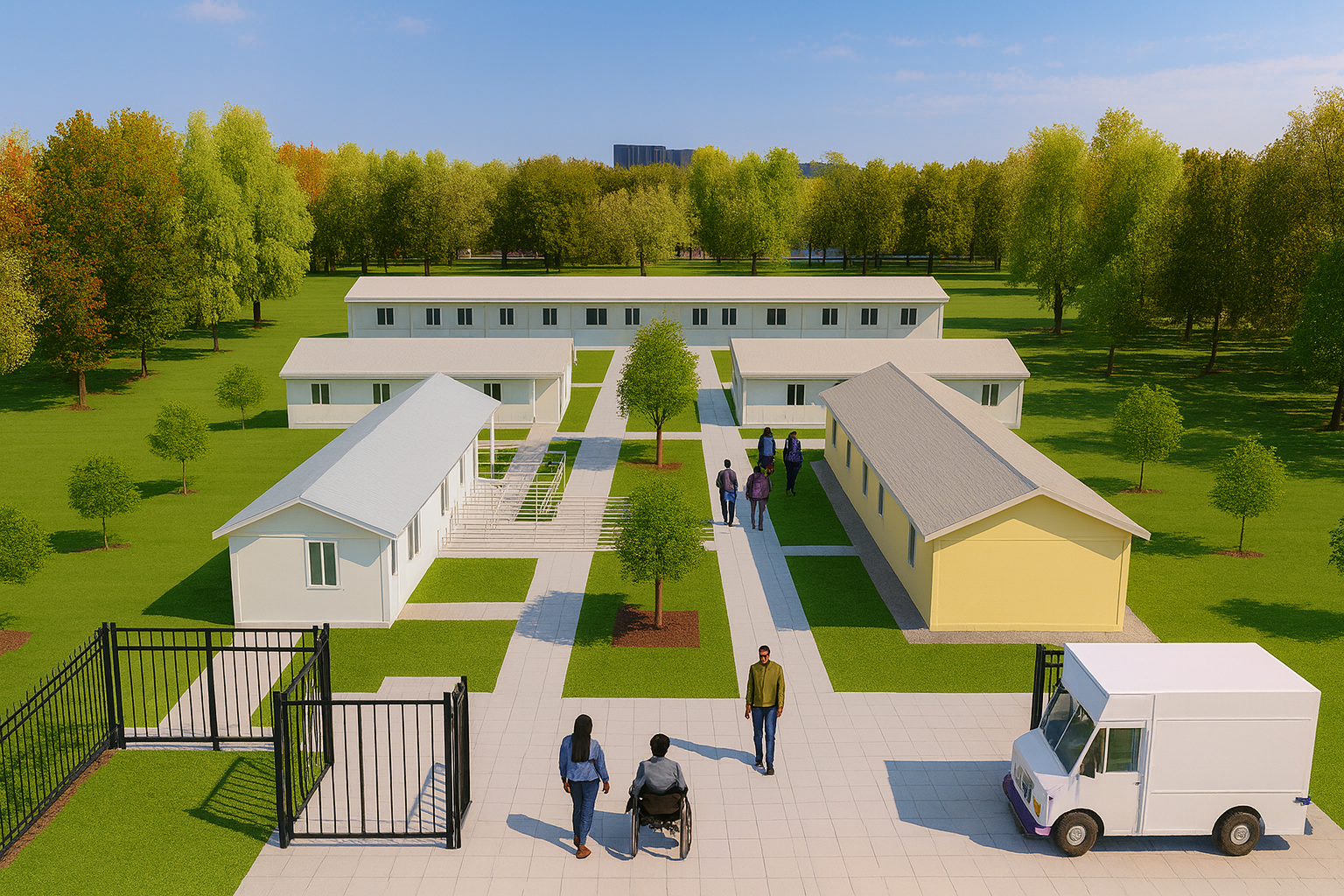
Structure • Support • Accountability • Growth
A Clear, Supportive Path Forward
The Resident Pathway is designed to help adults stabilize quickly, build healthy routines, and develop the skills needed for long‑term independence. Each stage has clear expectations, consistent support, and a focus on personal growth.
Stage 1: Intake
Residents begin with a simple, respectful intake process focused on safety, clarity, and immediate needs. This stage ensures every resident is welcomed with dignity and understands the structure of the Village.
- Welcome and orientation to the Village
- Basic needs assessment
- Assignment to a micro‑home
- Introduction to staff and support systems
30‑Day Intake & Assessment Period
After initial intake, residents enter a structured 30‑day assessment period. This phase focuses on stabilization, clarity, and building a personalized plan for success. Residents do not work during this time — the priority is recovery, routine, and establishing a strong foundation.
- Full intake evaluation and history review
- Safety and wellness assessments
- Daily structure and stabilization support
- Goal‑setting and personal planning
- Introduction to program options and responsibilities
- Tours of work areas and community spaces
- Creation of a personalized pathway plan
Stage 2: Orientation
During orientation, residents learn the daily rhythm, expectations, and community guidelines. This stage builds trust and sets the foundation for stability.
- Daily schedule overview
- Community expectations and accountability
- Introduction to available programs and resources
- Goal‑setting with staff support
Stage 3: Stabilization
Stabilization focuses on building consistent habits, improving health, and creating a sense of safety and routine. This is where residents begin to regain control and confidence.
- Daily structure and routine
- Access to meals, hygiene, and essential services
- Community engagement and peer support
- Regular check‑ins with staff
Stage 4: Advancement
Once stable, residents begin advancing toward long‑term goals. This stage focuses on skill‑building, personal development, and preparing for independence.
- Workforce readiness and job support
- Life‑skills development
- Financial literacy and planning
- Expanded responsibilities and leadership opportunities
Stage 5: Graduation
Graduation marks the transition from the Village into independent living. Residents leave with stability, confidence, and the tools needed to sustain long‑term success.
- Transition planning and housing support
- Employment or income stability
- Community connections and ongoing support options
- A clear path forward beyond the Village
Where the Pathway Lives: The Small Lot Village Model
The Resident Pathway can be implemented in multiple village formats. This Small Lot Concept Layout is a compact, efficient model designed for smaller parcels of land while still providing dignity, structure, and community. It demonstrates how the Village of HOPE can scale to meet the needs of different neighborhoods and municipalities.
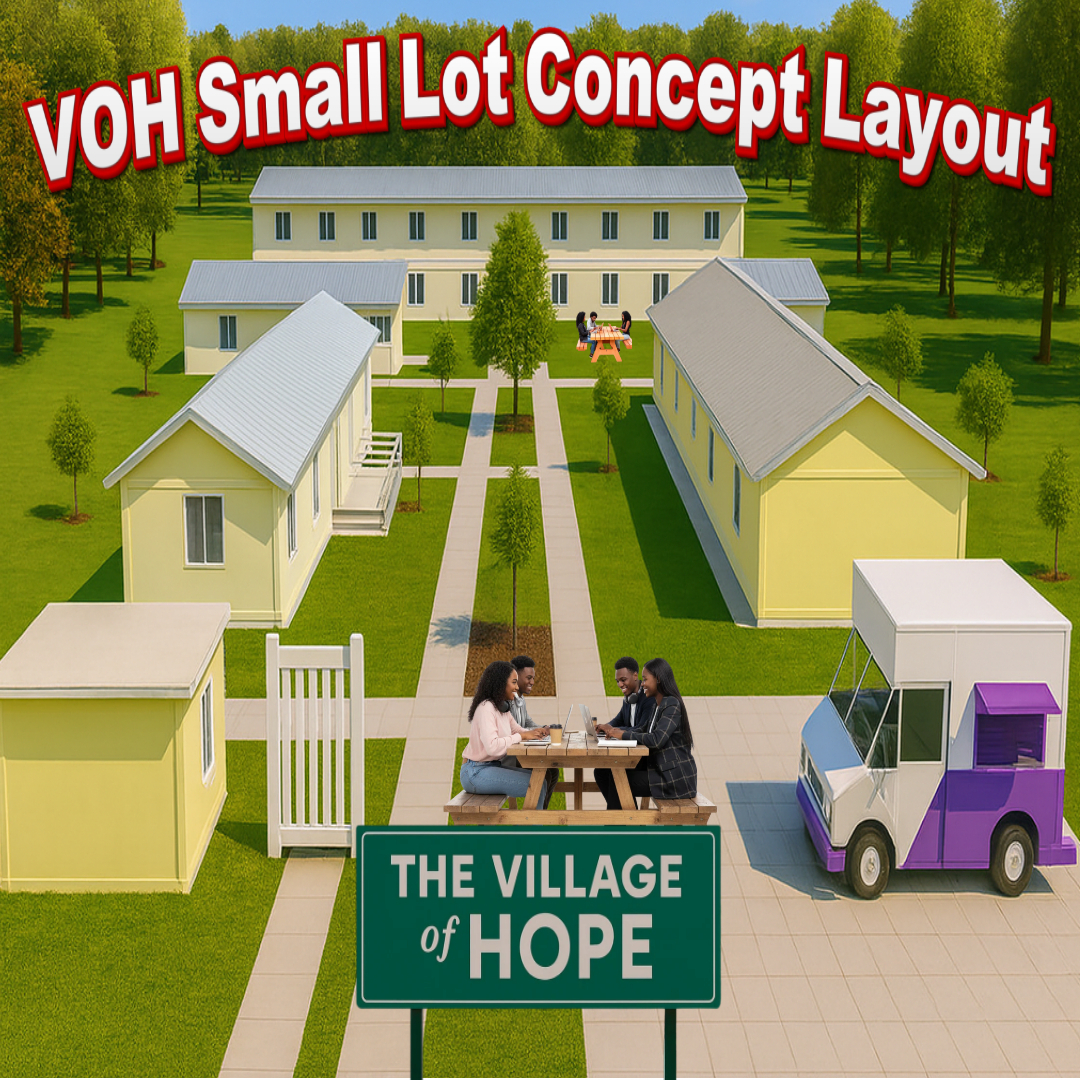
This model maintains the core values of the Village — safety, community, and forward motion — while offering a flexible footprint that can be deployed quickly and responsibly.
Every Journey Matters
The Village of HOPE is more than a place to stay — it’s a structured pathway that helps adults rebuild their lives with dignity, clarity, and purpose.
Support the Mission